아파트 거주자를 위한 퇴비 만들기 기초: 공간에 맞는 퇴비 만드는 방법 선택하기
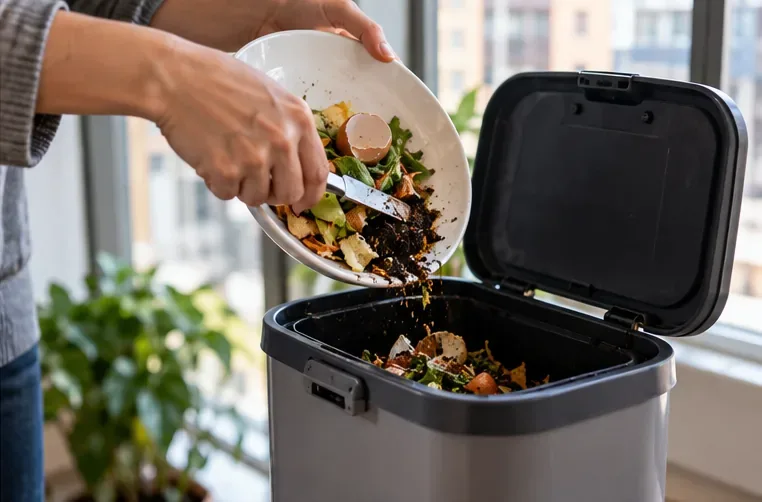
아파트에서 퇴비 만들기에 적합한 방법들(도로변 수거, 지렁이 퇴비통, 보카시 퇴비, 식품 건조기)을 공간, 냄새, 유지 관리, 투입물, 그리고 최종 결과물 측면에서 비교해 보세요.
Cold plunge therapy has moved from athletic recovery rooms into home wellness routines, but the evidence is more nuanced than social media makes it sound. Some benefits are reasonably supported, especially for post-exercise soreness. Other claims—such as reliably boosting immunity, melting body fat, or treating anxiety and depression—remain uncertain or overstated.
As of September 2026, that balance has not fundamentally changed. A recent field study followed 20 middle-aged recreational athletes with continuous rhythm monitoring during 64 cold-water immersion sessions at an average water temperature of about 7°C. The researchers observed a low arrhythmic burden during immersion, but the study was small, observational, and involved people healthy enough to participate in a cold-water event. It does not establish that cold plunging is safe for everyone. You can review the study on PubMed.
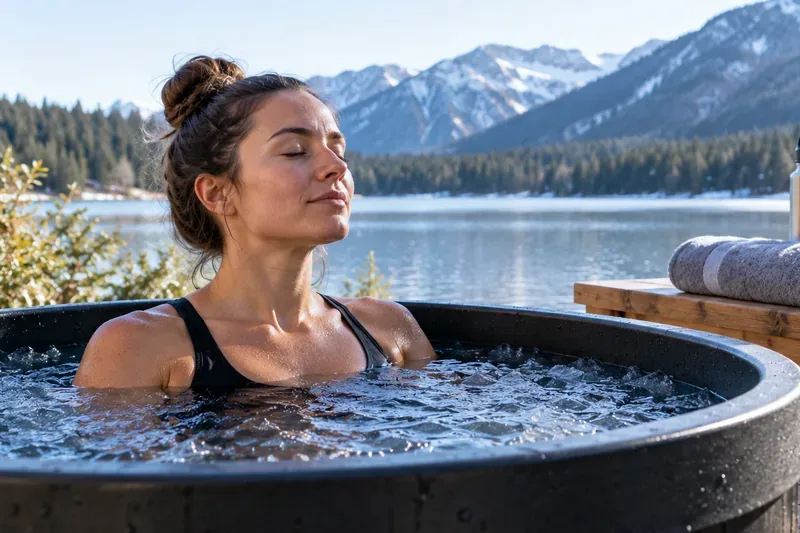
Consider Maya, a hypothetical 38-year-old recreational runner who also lifts weights twice a week. She has no known heart disease and has never used a cold plunge. After a hard weekend run, she hears that cold water can reduce soreness. She also sees claims that a daily plunge will improve her mood, strengthen her immune system, increase metabolism, and make her more resilient.
Maya's situation is useful because those goals are not interchangeable. The evidence for muscle soreness is different from the evidence for mental health, immunity, or fat loss. Cold exposure can also work against one of her goals if she uses it at the wrong time: repeated cold-water immersion immediately after resistance training may blunt some muscle-building adaptations.
The best way to evaluate cold plunge therapy is therefore not to ask whether it is simply "good" or "bad." A better question is: What outcome are you trying to improve, how strong is the evidence for that outcome, and what tradeoff are you accepting?
Cold-water immersion generally means placing much of the body in cold water for a limited period. Research protocols vary widely. A 2025 systematic review and meta-analysis in PLOS ONE included randomized trials in healthy adults using cold showers, ice baths, or plunges at 15°C (59°F) or colder for at least 30 seconds. Across the included studies, temperatures ranged from 7°C to 15°C and exposure times ranged from 30 seconds to two hours. That enormous variation is one reason there is no single scientifically established "ideal" wellness protocol. Read the review in PLOS ONE.
That distinction matters for Maya. A protocol designed for an athlete recovering between competitions is not automatically the right protocol for a beginner looking for a morning ritual.
This is one of the better-supported uses. A 2024 network meta-analysis of 57 studies involving 1,220 healthy participants compared cold-water immersion, contrast-water therapy, hot or thermoneutral immersion, cryotherapy, and control conditions after exercise-induced muscle damage. Cold-water immersion was associated with lower delayed-onset muscle soreness and favorable changes in some recovery outcomes compared with control. The full paper is available from BMC Musculoskeletal Disorders.
A larger 2026 network meta-analysis also emphasized that results depend on the exercise type, temperature, duration, timing, and outcome being measured. In other words, cold-water immersion is not a universal recovery accelerator. It may help how sore or recovered someone feels after strenuous exercise, while objective performance outcomes can be inconsistent.
For hypothetical Maya, a plunge after an unusually hard run may therefore be a reasonable recovery option if she tolerates cold safely. It is not mandatory, and it should not replace the basics that have a broader evidence base for recovery: adequate sleep, nutrition, hydration, and sensible training load.
There are promising signals, but the evidence is still limited. In the 2025 PLOS ONE review of 11 studies and 3,177 participants, stress was significantly lower 12 hours after cold-water immersion, but not immediately afterward, one hour afterward, 24 hours afterward, or 48 hours afterward. The same review found some reported improvements in sleep quality and quality of life, but those outcomes often came from single studies and should be interpreted cautiously. The review did not find a consistent overall improvement in mood.
A smaller 2023 experimental study offers a useful clue. Thirty-three healthy adults who were not regular cold-water swimmers completed a five-minute, head-out immersion at 20°C. Afterward, participants reported more positive affect and less negative affect, including feeling more active, alert, attentive, and inspired. Brain-imaging changes were also observed. However, this was a small pre-post experiment rather than proof that cold plunging treats depression or anxiety. The study is available through PubMed Central.
For Maya, this means a cold plunge might feel energizing or mentally clarifying, but she should treat that as an individual response rather than a guaranteed therapeutic effect. Cold plunging should not be presented as a substitute for evidence-based mental health care.
The popular claim is stronger than the evidence. The 2025 PLOS ONE meta-analysis found no significant immediate or one-hour improvement in measured immune function after cold-water immersion, and the certainty of evidence for immunity was low. One cold-shower study included in the review reported a 29% reduction in sickness absence, but that does not prove that participants had fewer infections or that their immune systems became stronger.
This is an important distinction for Maya. If her main goal is to avoid seasonal illness, a cold plunge is not a replacement for vaccination when recommended, adequate sleep, good nutrition, hand hygiene, and appropriate medical care.
Not in the simple way the claim is often phrased. Cold-water immersion may reduce soreness and alter some markers after exercise, but the general-wellbeing literature does not support saying that a plunge simply "turns off inflammation." In fact, the 2025 PLOS ONE meta-analysis found a significant increase in inflammatory measures immediately and one hour after cold-water immersion. That acute response may be part of the body's reaction to a strong physical stressor.
The practical lesson is that soreness, inflammation, muscle damage markers, and long-term health are related but not interchangeable outcomes. Feeling less sore after a plunge does not necessarily mean the body's inflammatory response has been globally suppressed.
Cold exposure makes the body work to defend its core temperature, so it can increase heat production and energy expenditure acutely. That biological mechanism is real. What is not established is that a typical cold-plunge routine produces meaningful, sustained weight loss in everyday life.
마야와 같은 사람에게 냉수욕은 주로 체지방 감량을 위한 효과적인 방법이 아닙니다. 영양, 전반적인 활동량, 근력 운동, 수면, 그리고 균형 잡힌 칼로리 섭취가 훨씬 더 실질적인 효과를 가져옵니다. 단기적인 생리적 반응을 장기적인 체중 관리 전략으로 오해해서는 안 됩니다.
바로 이 지점에서 마야의 혼합 훈련 루틴이 중요해집니다. 근력 운동 직후 규칙적으로 찬물에 몸을 담그는 것은 역도 선수들이 만들어내려고 하는 일부 신체 적응 효과를 저해할 수 있습니다.
2024년에 발표된 체계적 문헌고찰 및 메타분석에 따르면 운동 후 냉수욕은 근력 운동으로 인한 근육 비대를 감소시킬 수 있다고 결론지었습니다. 연구진은 근력 운동만 했을 때보다 냉수욕을 병행했을 때 근육 성장이 더 크다는 증거를 발견했습니다. 해당 논문은 PubMed Central 에서 확인할 수 있습니다. 앞서 발표된 또 다른 메타분석에서도 운동 후 냉수욕이 특정 상황에서 근력 증가를 저해할 수 있다는 결과가 보고되었으며, 해당 초록은 PubMed 에서 찾아볼 수 있습니다 .
그렇다고 해서 근력 운동 선수들이 찬물을 영원히 피해야 한다는 뜻은 아닙니다. 중요한 것은 타이밍과 우선순위입니다. 만약 마야의 주된 목표가 웨이트 트레이닝을 통해 근육 성장을 극대화하는 것이라면, 운동 직후 바로 찬물에 들어가는 것은 오히려 역효과를 낼 수 있습니다. 하지만 경기가 빡빡하게 이어지거나 고강도 지구력 훈련을 하는 사이에 빠르게 회복하는 것이 우선이라면, 상황은 달라질 수 있습니다.
| 주장하다 | 증거가 뒷받침하는 바는 무엇인가 | 실질적인 교훈 |
|---|---|---|
| 운동 후 근육통을 줄여줍니다 | 특히 격렬한 운동 후 느껴지는 근육통에 대해서는 어느 정도 효과가 있는 것으로 알려져 있지만, 프로토콜과 결과는 다양합니다. | 회복에 집중하는 날에 유용할 수 있습니다. |
| 기분을 좋게 해준다 | 소규모 연구에서는 단기적으로 긍정적인 효과가 나타나지만, 대규모 연구에서는 일관된 기분 개선 효과가 나타나지 않습니다. | 개인에게 도움이 될 수 있지만, 정신 건강 치료는 아닙니다. |
| 스트레스를 줄여줍니다 | 2025년 메타분석 결과 12시간 후에는 스트레스가 감소했지만, 다른 여러 시점에서는 그렇지 않은 것으로 나타났습니다. | 유망하지만 시간이 걸릴 수 있으며 아직 확정적인 것은 아닙니다. |
| 면역력을 강화합니다 | 즉각적인 면역 반응은 유의미하지 않았으며, 장기적인 효과에 대한 증거는 제한적이고 일관성이 없습니다. | 감염 예방을 위해 냉수욕에 의존하지 마십시오. |
| 염증을 줄여줍니다 | 너무 단순화된 설명입니다. 통증이 나중에 호전되더라도 물에 몸을 담근 후에는 급성 염증 지표가 상승할 수 있습니다. | 통증이 덜하다고 해서 전반적인 염증이 줄어든다고 단정짓지 마십시오. |
| 근육을 더 빨리 키운다 | 저항 훈련 직후 냉수욕을 반복적으로 시행했을 때 나타나는 증거는 정반대입니다. | 근육량 증가가 목표라면, 운동 후 자동적으로 이러한 행동을 습관화하지 마세요. |
| 의미 있는 체지방 감소를 유발합니다 | 추위는 체온 발생을 급격히 증가시키지만, 급강하를 통한 장기적인 체중 감량 효과에 대한 확실한 증거는 부족하다. | 체중 관리의 주요 전략은 아닙니다. |
찬물에 몸을 담그는 것은 심혈관계와 호흡기계에 심각한 스트레스를 유발합니다. 미국심장협회(AHA)는 초기 반응으로 호흡, 심박수, 혈압이 급격히 상승하는 것을 꼽습니다. 얼굴이 물에 잠겼거나 호흡 조절 능력을 상실한 경우, 냉수 충격으로 인한 무의식적인 헐떡임과 과호흡은 특히 위험할 수 있습니다. AHA는 심장 질환 병력이 있는 사람들에게 특히 주의를 당부합니다. 찬물 노출 위험에 대한 자세한 내용은 미국심장협회의 설명을 참조하십시오 .
찬물에 노출되면 심장에 대한 자율신경계 신호가 서로 충돌할 수도 있습니다. 동료 평가를 거친 한 논문에서는 냉기 충격 반응과 다이빙 반응이 결합하여 부정맥 발생 위험을 높일 수 있으며, 특히 얼굴까지 물에 잠기거나 숨을 참는 경우 더욱 그렇다고 설명합니다. 이 논문은 PubMed 에 등재되어 있습니다 .
앞서 언급한 2026년 소규모 현장 연구는 좁은 맥락에서는 안심할 만한 결과를 보여줍니다. 연구 대상이었던 일반 운동선수들은 냉수 훈련 중 심각한 부정맥이 거의 발생하지 않았습니다. 그러나 이 연구 결과를 냉수 충격 생리학의 기존 이론을 부정하거나 심혈관 질환 환자에게도 안전하다고 일반화해서는 안 됩니다.
심장 질환, 부정맥 병력, 혈압 조절 불량, 원인 불명의 실신, 또는 심박수나 혈압에 상당한 영향을 미치는 약물을 복용 중인 사람은 의도적인 찬물 입수를 시도하기 전에 반드시 자격을 갖춘 의료 전문가와 상담해야 합니다. 갑작스러운 추위 노출이 위험한 질환을 가진 사람에게도 마찬가지입니다.
가슴 통증, 실신, 심하거나 지속적인 호흡 곤란, 혼란, 또는 지속적인 비정상적인 심장 박동이 나타나면 즉시 입수를 중단하고 의료진의 도움을 받으십시오. 차가운 물에서 불편함을 느끼는 것은 당연하지만, 심각한 심폐 증상은 강인함의 증표가 아닙니다.
Maya는 기본적으로 매일 반복하는 습관을 따르기보다는 목표에 맞는 도구를 선택함으로써 더 나은 결정을 내릴 수 있습니다.
무엇보다 중요한 것은 마야가 이 방법이 효과적이라는 것을 증명하기 위해 물을 더 차갑게 하거나 더 오래 담가둘 필요가 없다는 점입니다. 일반적인 건강 증진 연구는 물이 차가울수록 효과가 더 크다는 보편적인 용량-반응 법칙을 확립하지 못했습니다.
이는 단계별 지침이 아닙니다. 왜냐하면 모든 사람에게 적용할 수 있는 단일한 근거 기반 초보자 프로토콜은 없기 때문입니다. 연구에서는 매우 다양한 온도와 노출 시간을 사용했으며, 개인의 심혈관 반응도 다릅니다.
참고로, 찬물에 실수로 몸을 담그면 호흡과 운동 조절 능력이 급격히 저하될 수 있습니다. 미국 질병통제예방센터(CDC)는 냉수 충격 초기 단계에서는 헐떡거림과 과호흡이 나타나고, 이후 점진적으로 운동 기능이 상실된다고 설명합니다. 이 지침은 직업 현장에서의 수중 안전을 위한 것이지, 단순히 건강을 위한 입수에 관한 것은 아니지만, 생리학적 원리는 관련이 있습니다. CDC/NIOSH의 냉수 안전 지침을 참조하십시오 .
냉수욕은 나름의 효능이 있지만, 그 효과는 많은 사람들이 주장하는 건강 증진 효과보다 제한적입니다. 운동 후 냉수욕은 근육통 완화에 도움을 줄 수 있으며, 일부 운동선수의 경우 단기적인 회복에 효과적일 수 있습니다. 또한 스트레스, 수면, 삶의 질, 그리고 일시적인 긍정적 정서에 대한 긍정적인 효과도 시사하는 바가 있지만, 전반적인 건강 증진 효과에 대한 근거는 아직 부족하며, 시기, 방법, 연구 대상에 따라 크게 달라집니다.
절충점이 중요합니다. 추위에 노출되면 심혈관계에 급성 스트레스를 줄 수 있으며, 근력 운동 직후 바로 차가운 물에 뛰어드는 것은 근육 성장 목표에 오히려 해로울 수 있습니다. 면역력 증진, 만성 염증 완화, 우울증 치료, 그리고 의미 있는 체지방 감소에 대한 주장은 입증된 효능으로 제시하기에는 근거가 부족합니다.
가상의 마야에게 있어 합리적인 결론은 "냉수욕은 효과가 있다" 또는 "냉수욕은 쓸모없다"가 아닙니다. 오히려 다음과 같이 구체적으로 내려야 합니다. 냉수욕은 예상되는 효과가 목표와 일치할 때만 사용하고, 운동 후 자동적으로 하는 습관으로 만들지 않으며, 안전을 사후 고려 사항이 아닌 개입의 필수적인 부분으로 여겨야 합니다.
아파트에서 퇴비 만들기에 적합한 방법들(도로변 수거, 지렁이 퇴비통, 보카시 퇴비, 식품 건조기)을 공간, 냄새, 유지 관리, 투입물, 그리고 최종 결과물 측면에서 비교해 보세요.
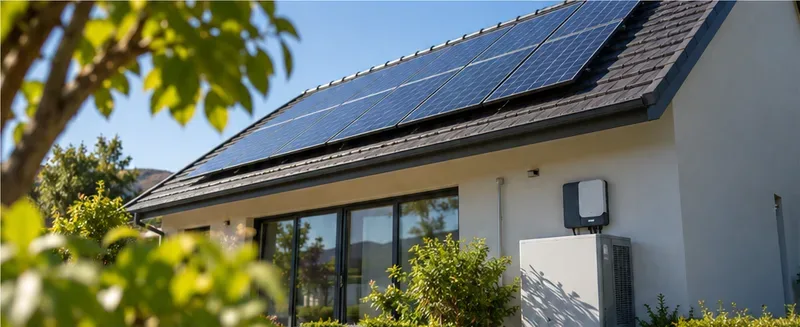
옥상 태양광 발전, 배터리, 커뮤니티 태양광 발전, 열 펌프, V2H(차량-에너지 교환) 시스템 등 2026년에 각 가정에 적합한 재생 에너지 옵션을 살펴보세요.
모호한 주장, 재활용 관련 용어, 재활용 소재 사용 여부, 탄소 중립 약속, 환경 인증 마크 등을 확인하여 그린워싱을 구별하는 방법을 알아보세요.
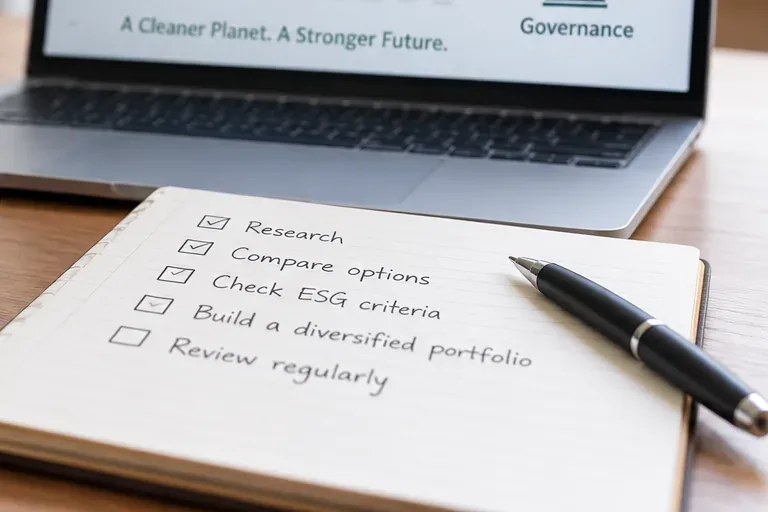
2026년 ESG 투자에 대해 알아보세요: 무엇이 바뀌었는지, 지속가능 펀드는 어떻게 작동하는지, 보유 종목과 수수료를 비교하는 방법, 그리고 초보자를 위한 실용적인 체크리스트까지.
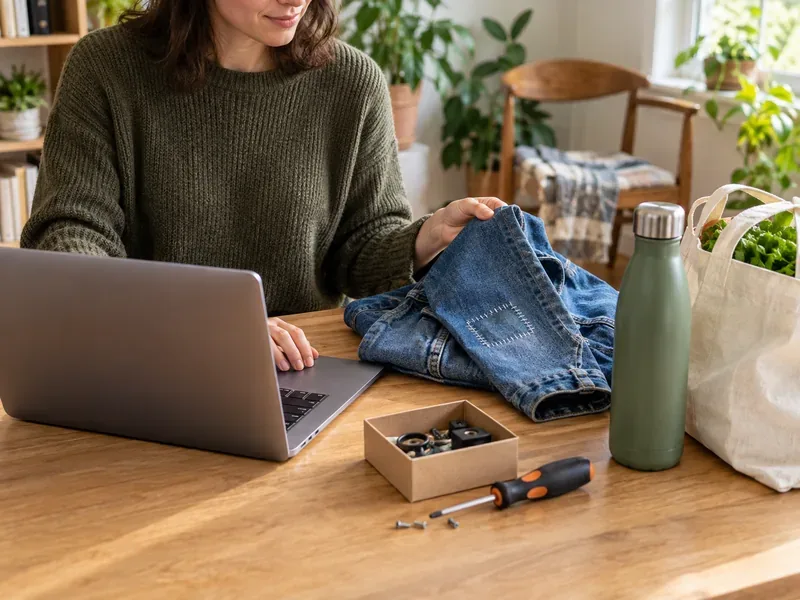
시간, 도구, 공간, 활용도를 고려하여 주말에 할 만한 업사이클링 프로젝트를 선택하세요. 시작하기 전에 6가지 실용적인 아이디어, 주요 장단점, 안전 점검 사항을 비교해 보세요.
청정에너지 및 공급망부터 탄소 제거 및 저배출 해운에 이르기까지 2026년에 측정 가능한 기후 행동을 취하는 6개 기업을 비교해 보세요.
Reduce your digital carbon footprint with practical steps to keep devices longer, cut idle energy, right-size streaming and AI, and recycle responsibly.
패스트 패션은 2026년에도 여전히 저렴하고, 빠르게 생산되며, 폐기물을 많이 발생시키지만, 새로운 EU 규정이 시장을 변화시키고 있습니다. 쇼핑객들이 알아야 할 사항은 다음과 같습니다.
수리, 재사용, 리퍼비시 제품, 렌탈, 리필, 재활용 등 다양한 측면에서 순환 경제가 소비자에게 어떤 의미를 갖는지, 그리고 이러한 요소들 간의 현실적인 균형점을 알아보세요.
오늘부터 실천 가능한 친환경 습관을 들여 생활 방식을 완전히 바꾸지 않고도 음식물 쓰레기, 에너지 사용량, 물 사용량, 자동차 운전 횟수, 일회용품 사용을 줄일 수 있습니다.