2026-10-05 주간 앱 순위: 인기·급상승 확인 범위와 선택 기준

10월 5일 회차의 한국 앱 순위와 급상승 확인 한계를 밝힙니다. 공식 차트·검색·추천을 구분하고 기능, 구독 비용, 개인정보 조건으로 앱을 고르는 기준을 정리합니다.
If you want to work on batteries, the first decision is not which university has the biggest name. It is which layer of the battery problem you want to solve. A materials scientist developing a sodium-ion cathode needs a different graduate education from an engineer designing a battery management system, a pack engineer working on thermal safety, or a power engineer integrating storage into the grid.
That is why this guide does not rank one program as universally “best.” Instead, it compares seven current master’s options that represent different approaches to battery and energy storage engineering: dedicated battery degrees, research-heavy electrochemistry programs, battery systems engineering, and broader power or energy systems programs with meaningful storage content. Program details were checked against official university pages in September 2026.
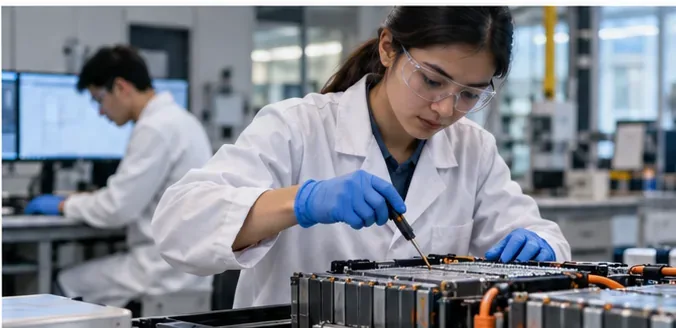
Battery education can look similar in a program title while producing very different skill sets. Before comparing universities, decide which technical layer fits your career target.
| If you want to work on... | Prioritize programs with... | Typical career direction |
|---|---|---|
| Electrodes, electrolytes, solid-state or post-lithium chemistries | Electrochemistry, materials characterization, synthesis, research thesis | Battery materials R&D, cell chemistry, PhD research |
| Cells and manufacturing | Cell design, production, testing, degradation, quality and recycling | Cell development, process engineering, quality engineering |
| Packs, BMS and safety | Electrical/thermal modeling, controls, diagnostics, pack design | Battery systems, BMS, validation, vehicle or stationary storage |
| Grid-scale storage | Power systems, storage economics, controls, renewable integration | Utility storage, microgrids, energy systems consulting |
| Research leadership | Strong research centers, thesis work, advanced characterization | PhD, national laboratories, industrial R&D |
| Career change while working | Online or part-time delivery and flexible curriculum | Energy engineering, technical consulting, systems roles |
Best fit: students who want a genuinely battery-specific degree without choosing between materials and systems too early.
Uppsala’s 120-credit, two-year English-language master’s is one of the clearest examples of a dedicated battery degree. The 2026 curriculum starts with energy storage, materials chemistry, electrochemistry and electromobility, then lets students move toward either battery materials or battery cells and systems. The cells-and-systems route includes subjects such as battery control and safety, cell and systems modeling, battery systems engineering and electric vehicles. The materials route goes deeper into synthesis, analysis and future cell chemistries.
The program is connected to the Ångström Advanced Battery Centre, and Uppsala states that students can encounter industry through guest lectures, visits and thesis work. The final semester is a 30-credit thesis that can be done with a company or university research group.
Trade-off: this is an on-campus, full-time specialist degree. For non-EU/EEA/Swiss students, Uppsala currently lists total tuition of SEK 360,000 for the Autumn 2026 intake, so the dedicated battery focus comes with a meaningful cost for international students outside the fee-exempt group.
Official program: Uppsala University Master’s Programme in Battery Technology and Energy Storage.
Best fit: chemistry, physics, materials science or engineering graduates who want battery depth with a strong natural-science and research orientation.
Bayreuth’s English-taught Battery Materials and Technology M.Sc. is also a four-semester dedicated battery program, but its center of gravity is different from Uppsala’s. The official program description emphasizes battery materials, electrochemistry and scientific analysis while still covering the value chain from electrodes and separators to battery packs.
Students share core battery-systems, battery-materials and electrochemistry foundations, then use electives and research modules to specialize. One research module can be completed externally, abroad or as a company internship. The program is closely connected to the Bavarian Center for Battery Technology, BayBatt, which works across battery materials, analytics and intelligent energy storage systems.
Trade-off: it is a stronger match for students who enjoy materials and electrochemistry than for someone who mainly wants grid dispatch optimization or power electronics. Bayreuth states that it does not charge tuition for this program, although students pay a semester fee. International applicants should also note the language condition: the program is taught in English, but German A1 is required and may be completed during the first year under the stated rules.
Official program: University of Bayreuth M.Sc. Battery Materials and Technology.
Best fit: applicants who want a highly applied battery engineering curriculum spanning modeling, testing, packs, production, recycling and industrial practice.
RWTH’s Battery Systems Engineering M.Sc. is scheduled for the Winter Semester 2026/27 and is taught in English over four semesters for 120 ECTS. The curriculum covers lithium-ion fundamentals, battery system design, future storage technologies, production, testing, recycling, battery modeling, diagnostics, degradation and stationary applications.
The differentiator is the practical structure. RWTH lists multiple research-lab modules and an industrial R&D internship, with topics that can include battery pack design and BMS, diagnostics, production, recycling, material analysis and field operation of storage systems. That makes the program especially attractive for students who do not want a coursework-only master’s.
Trade-off: the current listed course fee is €24,000, substantially higher than tuition-free public-university options in Germany. Admission is also not aimed only at fresh graduates: RWTH states that students need at least 12 months of relevant work experience by enrollment, with at least six months documented at application, plus specific academic competency requirements and either the German Engineering College route or qualifying GRE scores under the current rules.
Official program: RWTH Aachen M.Sc. Battery Systems Engineering.
Best fit: students aiming at battery research, electrochemistry or a future PhD who also want exposure to fuel cells and broader electrochemical energy technologies.
Ulm’s Energy Science and Technology M.Sc. is not branded as a battery-only degree. That is precisely its strength for some students. The university describes it as a strongly research-oriented English-language program focused on electrochemical energy conversion and storage in fuel cells and batteries.
The research environment is a major reason to consider it. Ulm is part of CELEST, a large German electrochemical-energy research platform with Karlsruhe Institute of Technology and ZSW, covering lithium-ion technology, post-lithium storage and alternative electrochemical storage technologies. For someone considering doctoral research, that ecosystem can matter more than having “battery” in the degree title.
Trade-off: students seeking intensive pack design, BMS implementation or industrial battery manufacturing may prefer a program such as RWTH or Uppsala’s cells-and-systems path. Ulm is particularly compelling when your question is “how do we create better electrochemical storage?” rather than “how do we engineer a production battery pack?”
Official program: Ulm University M.Sc. Energy Science and Technology.
가장 적합한 대상: 배터리를 보다 광범위한 시스템, 운송 및 에너지 분야에 적용하고자 하는 직장인, 미국 시장 집중 학생 및 엔지니어.
미시간 대학교의 에너지 시스템 공학 석사(M.Eng.) 과정은 배터리만을 전문으로 하는 학위는 아니지만, 현재 커리큘럼에는 배터리 과학 및 공학 진로 과정이 포함되어 있습니다. 이 배터리 과정은 전기화학, 배터리 응용 재료, 운송 및 전자 기기용 배터리, 신재생 에너지 저장, 배터리 시스템 및 제어, 그리고 최신 재료를 활용한 에너지 생성 및 저장 등을 다룹니다.
실질적인 이점은 유연성입니다. 미시간 대학교는 30학점 학위 과정을 온라인 또는 캠퍼스에서 제공하며, 풀타임 및 파트타임 과정을 선택할 수 있습니다. 따라서 직장을 그만두고 2년 동안 기숙형 배터리 석사 과정을 이수할 수 없는 사람들에게 특히 유용합니다. 또한 폭넓은 커리큘럼에는 시스템 엔지니어링, 에너지 인프라, 제어, 지속가능성, 경제학 및 정책 관련 내용이 포함됩니다.
절충점: 이 학위는 의도적으로 다학제적인 성격을 띠고 있기 때문에 모든 과목이 배터리 관련 내용일 것이라고 가정하기보다는 배터리에 초점을 맞춘 학습 계획을 세워야 합니다. 만약 고급 전극 합성이나 연구 중심의 전기화학 논문 작성이 목표라면, 유럽의 전문 석사 과정이 더 적합한 경로를 제공할 수 있습니다.
공식 교육과정: 미시간 대학교 에너지 시스템 공학 교육과정 .
가장 적합한 대상: 배터리를 독립적인 제품으로 보는 것이 아니라 전력 시스템의 일부로서 에너지 저장 장치를 중요하게 생각하는 엔지니어.
TUM의 전력공학 석사 과정은 4학기, 120 ECTS 학점의 영어 수업 프로그램으로 전기 및 기계 에너지 시스템을 다룹니다. 공식 설명에는 스마트 그리드, 배터리 기술, 에너지 저장 기술, 재생 에너지 통합, 전기 자동차, 수소 및 미래 전력 시스템이 명시적으로 포함되어 있습니다.
이러한 폭넓은 지식은 대규모 배터리, 재생 에너지 통합, 에너지 인프라, 시스템 제어 또는 기술 전략 분야에서 일하고 싶다면 매우 유용합니다. 예를 들어, 전력 회사의 에너지 저장 엔지니어는 배터리 셀 내부의 화학적 성질뿐만 아니라 배터리 주변의 전력망 작동 방식에 대한 이해도 필요합니다.
단점: 이 과정은 배터리 전문 석사 과정이 아닙니다. 전기화학, 전지 분석 또는 배터리 제조에 중점을 두고 학위를 취득하려는 학생들은 다른 곳에서 더 집중적인 과정을 찾아야 합니다. 또한 TUM은 유학생에게도 수업료가 부과될 수 있으므로 지원자는 예산을 계획하기 전에 자신의 국적과 프로그램에 따른 현재 수업료 규정을 확인해야 한다고 명시하고 있습니다.
공식 프로그램: TUM 전력공학 석사 .
이 과정은 배터리 소재와 수소 및 기타 에너지 저장 방식을 비교하고 싶어하는 학생들에게 가장 적합합니다 .
트론헤임에 위치한 NTNU는 재료과학 및 공학 석사 과정 내에서 2년제 에너지 저장: 배터리 및 수소 특화 과정을 제공합니다. 이 과정은 배터리를 운송 및 고정식 응용 분야를 포함한 광범위한 탈탄소 에너지 저장 시스템의 한 부분으로 인식하는 학생들에게 매력적입니다.
장단점: 프로그램의 폭넓은 범위는 가치를 높여주지만, 배터리 분야에 특화된 학위를 원하는 사람에게는 적합하지 않을 수 있습니다. 만약 BMS 엔지니어링이나 리튬 이온 전지 제조 분야를 목표로 한다면, 배터리 전문 프로그램 대신 이 프로그램을 선택하기 전에 세부적인 학습 계획과 논문 작성 기회를 꼼꼼히 살펴보는 것이 좋습니다.
공식 전공 분야: NTNU 에너지 저장: 배터리 및 수소 .
브라운슈바이크 공과대학교(TU Braunschweig)는 2026/27 겨울 학기에 독일어와 영어로 진행되는 4학기제 배터리 및 수소 기술 석사 과정을 개설합니다. 이 프로그램은 전기 자동차, 에너지 저장 장치 및 산업 응용 분야에 특화되어 있습니다.
이 프로그램의 매력은 분명합니다. 기존의 교육과정 구조에 얽매이지 않고 현재의 배터리 및 수소 산업 수요에 맞춰 새로운 학위 과정을 설계할 수 있다는 점입니다. 하지만 단점 또한 명확합니다. 이 프로그램이 새로 만들어졌기 때문에 예비 학생들은 아직 여러 졸업생 기수, 확립된 취업 패턴, 또는 오랜 기간 축적된 동문들의 성과를 비교해 볼 수 없습니다. 이러한 점을 부정적인 평가로 받아들이기보다는 불확실성으로 인식하는 것이 좋습니다.
공식 프로그램: 브라운슈바이크 공과대학교 배터리 및 수소 기술 석사 .
| 프로그램 | 가장 적합한 | 형식/초점 | 주요 절충점 |
|---|---|---|---|
| 웁살라 | 종합적인 배터리 전문 교육 | 배터리 소재 또는 셀/시스템 전공; 2년; 영어 | 기숙사 상주형; 비EU 학생 상당수에게 수업료 지원 |
| 바이로이트 | 배터리 소재 및 과학 연구 개발 | 4학기; 영어 수업; 전기화학/재료과학 집중 과정 | 전력망/전력 시스템에 대한 강조를 줄임 |
| RWTH 아헨 | 응용 배터리 시스템 및 산업 관행 | 120 ECTS 학점; 영어; 실험 수업 및 산업체 인턴십 | 명시된 수업료는 24,000유로이며, 경력 요건이 있습니다. |
| 울름 | 전기화학 및 박사 학위 연구 | 연구 중심의 배터리/연료 전지; 영어 | 패키지/BMS에 중점을 둔 학위가 아닙니다. |
| 미시간 | 전문직 종사자 및 광범위한 시스템 분야 경력 | 30학점; 온라인 또는 캠퍼스 수업; 배터리 관련 과정 | 배터리 관련 내용은 보다 광범위한 공학 석사 학위 과정 내에 포함되어야 합니다. |
| 툼 | 전력망 저장, 에너지 시스템 및 전력 공학 | 120 ECTS 학점; 영어; 광범위한 에너지 시스템 | 배터리 화학은 학위 과정의 중심이 아닙니다. |
| NTNU | 배터리 소재 및 수소/저장 분야의 폭넓은 활용 | 2년 재료과학 전문화 과정 | 배터리에 국한되지 않고 더 폭넓게 고려됩니다. |
"에너지 저장"이라는 이름의 프로그램은 수소, 열 저장 또는 전력망 경제학에 상당한 시간을 할애할 수 있습니다. "재료 과학"이라는 이름의 프로그램은 "배터리"라는 단어가 들어간 학위보다 더 심도 있는 배터리 연구를 제공할 수 있습니다. 필수 및 선택 과목 목록을 스프레드시트로 만들고 각 과목을 전기화학, 재료, 제조, 모델링, BMS/제어, 안전, 재활용, 전력 시스템 또는 경제학으로 분류해 보세요. 이렇게 하면 해당 학위가 실제로 무엇을 가르치는지 알 수 있습니다.
배터리 분야의 기술직 경력을 쌓으려면, 단순히 개론 수업을 듣는 것보다 실제 연구 또는 테스트 인프라에 접근할 수 있는지가 훨씬 중요합니다. 석사 과정 학생들이 배터리 셀 제작, 충방전 사이클 장비, 임피던스 분광법, 열 테스트, 사후 분석, 배터리 팩 하드웨어, BMS 하드웨어 인 더 루프 시스템 또는 산업 데이터 등을 활용할 수 있는지 문의하십시오. 대학에 훌륭한 배터리 센터가 있다고 해서 당연히 접근할 수 있을 거라고 생각하지 말고, 석사 과정 학생들이 실제로 참여하는지 확인해야 합니다.
연구 중심 학위가 응용 중심 학위보다 무조건 더 나은 것은 아닙니다. 고체 배터리 분야에서 박사 학위를 받고 싶다면, 고급 전기화학 분야와 탄탄한 논문이 결정적인 역할을 할 수 있습니다. 하지만 전기차 배터리 팩 팀에 빠르게 합류하고 싶다면, 배터리 관리 시스템(BMS), 검증, 열 관리, 테스트 및 산업체 인턴십이 더 즉각적인 가치를 제공할 수 있습니다.
등록금, 학기 수수료, 기숙사비, 건강 보험료, 비자 비용, 교통비, 그리고 직장을 그만두는 데 따른 기회비용을 비교해 보세요. 유럽에서 학비가 무료인 학위라 하더라도 2년간의 풀타임 거주가 필요하다면 여전히 비용이 많이 들 수 있습니다. 반대로, 학비가 더 높더라도 현재 급여를 유지할 수 있다면 온라인 공학 석사(M.Eng.) 과정이 재정적으로 합리적일 수 있습니다.
배터리 관련 프로그램은 일반 공학 학위보다 더 구체적인 선수 과목을 요구하는 경우가 많습니다. 화학 중심 프로그램은 화학 및 물리학 관련 사전 지식을 요구할 수 있으며, 시스템 프로그램은 전기, 기계 또는 제어 분야의 기초 지식을 요구할 수 있습니다. RWTH는 현재 배터리 시스템 공학 프로그램에 관련 실무 경험을 요구하고 있으며, 웁살라 대학교는 화학, 물리학, 재료 과학 및/또는 공학 분야의 학점과 수학 관련 경력을 명시하고 있습니다. 이러한 요구 사항을 미리 확인하면 시간을 절약할 수 있습니다.
에너지 저장 공학이 목표라면, 대학의 명성만으로 프로그램을 선택하는 것은 비효율적인 전략입니다. 오히려 배터리 가치 사슬에서 어떤 위치를 차지하고 싶은지가 더 중요한 질문입니다. 웁살라는 배터리 분야에 특화된 폭넓은 교육을 제공하고, 바이로이트와 울름은 재료 및 전기화학 연구에 매력적입니다. RWTH는 응용 시스템 공학과 산업 현장 경험을 중시하며, 미시간은 유연성과 폭넓은 시스템 교육을 제공합니다. TUM은 에너지 저장이 더 큰 규모의 전력 공학 문제의 일부일 때 강점을 보이며, NTNU는 다양한 기술이 접목된 에너지 저장 환경에서 배터리를 활용하고자 할 때 유용합니다.
자신에게 맞는 프로그램은 필수 과목, 실험실 이용, 논문 작성 방식, 입학 규정, 총비용 등이 졸업 후 희망하는 직업과 부합하는 프로그램입니다. 순위는 참고 자료로만 생각하고, 커리큘럼과 실제로 그곳에서 하게 될 학습 내용을 바탕으로 결정하세요.
10월 5일 회차의 한국 앱 순위와 급상승 확인 한계를 밝힙니다. 공식 차트·검색·추천을 구분하고 기능, 구독 비용, 개인정보 조건으로 앱을 고르는 기준을 정리합니다.
인공지능, 스마트홈 센서, 원격 모니터링, 낙상 안전, 개인정보 보호, 그리고 기술이 돌봄을 대체하지 않고도 노년층의 편안한 생활을 지원하는 방법에 대한 실용적인 2026년 가이드.
도시가 이동성, 토지 이용, 기후 및 지역 사회 데이터를 활용하여 기술을 사람보다 우선시하지 않고 더 안전하고, 더 친환경적이며, 더 걷기 좋은 동네를 만드는 방법을 알아보세요.
드론, 자율성, 제어, 무인항공시스템(UAS) 운용 및 대학원 연구 분야의 주요 무인항공기 및 항공우주 공학 프로그램을 비교해 보세요. 모든 프로그램은 2026년 최신 정보로 검증되었습니다.
A practical guide to AI-powered surgical robotics: current capabilities, levels of autonomy, precision benefits, limits, regulation, and evaluation criteria.
CCUS(탄소 포집 및 활용) 투자가 증가하고 있지만, 탄소 포집이 전 세계 배출량 감소를 되돌릴 수 있을까요? CCUS가 실제로 효과를 발휘하는 분야, 규모 확장의 한계, 그리고 중요한 증거는 무엇인지 살펴보세요.
디지털 공급망, 물류, 분석, 글로벌 무역 및 운영 분야의 7가지 글로벌 프로그램을 비교하고, 자신에게 맞는 프로그램을 선택하는 데 도움이 되는 실질적인 지침을 제공합니다.
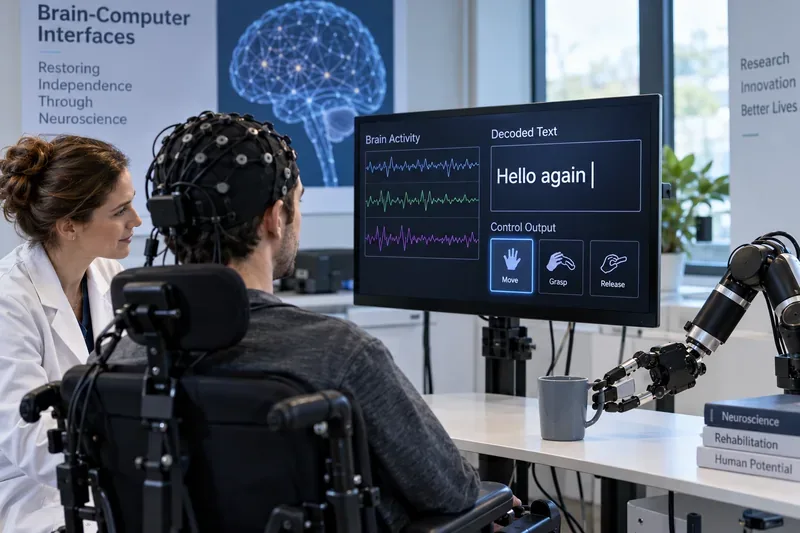
뇌-컴퓨터 인터페이스가 신경 신호를 해독하여 의사소통과 움직임을 복원하는 방법, 최근 연구를 통해 달성한 성과, 그리고 BCI 사용을 제한하는 요소는 무엇인지 알아보세요.
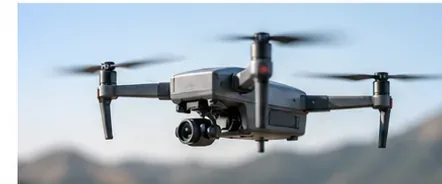
상용 드론이 센서, 엣지 AI, 배터리, 통신 및 비행 제어 소프트웨어를 어떻게 결합하는지, 그리고 자율성이 여전히 임무 및 규정에 따라 달라지는 부분은 어디인지 살펴보세요.
Compare seven strong battery and energy storage master's options by materials, systems, research, industry exposure, flexibility, language, and cost trade-offs.