서울·경기도 2026년 10월 집 관리 체크리스트: 바닥난방·창문 틈새·건조·가을 미세먼지

서울·경기도의 2026년 10월 집 관리법을 확인하세요. 바닥난방·보일러 안전 점검, 창틀 패킹과 틈바람, 실내 건조·가습기 관리, 가을 미세먼지 환기 요령을 정리하고 세입자와 집주인의 확인 범위, 기후 평년값과 단기예보의 차이도 설명합니다.
A familiar creator-marketing problem looks like this: a brand pays for a polished influencer post, gets a large view count, then watches the campaign struggle to generate meaningful product questions, qualified clicks, or sales. At the same time, smaller creators and ordinary customers may be posting detailed demonstrations, comparisons, and “would I buy it again?” reviews that attract fewer views but more useful discussion.
That gap helps explain the growing interest in Key Opinion Consumers, usually shortened to KOCs. The term is most established in Asian social-commerce markets, and it is still not a standardized global marketing category. In practice, KOC marketing describes a creator strategy that treats credible product users, niche reviewers, and highly relatable consumers as persuasion partners rather than simply buying the biggest possible audience.
As of September 2026, the shift is better understood as a change in the creator mix, not the death of influencer marketing. Large influencers can still be excellent for awareness, launches, entertainment, and cultural reach. KOCs are more useful when the commercial problem is trust at the consideration stage: “Does this actually work for someone like me?”
Reach and persuasion are different jobs. A creator can be excellent at attracting attention while being a poor match for a specific product, price point, or buyer question. The larger the audience, the more heterogeneous it often becomes. That can make a post highly visible without making it highly relevant to the people most likely to buy.
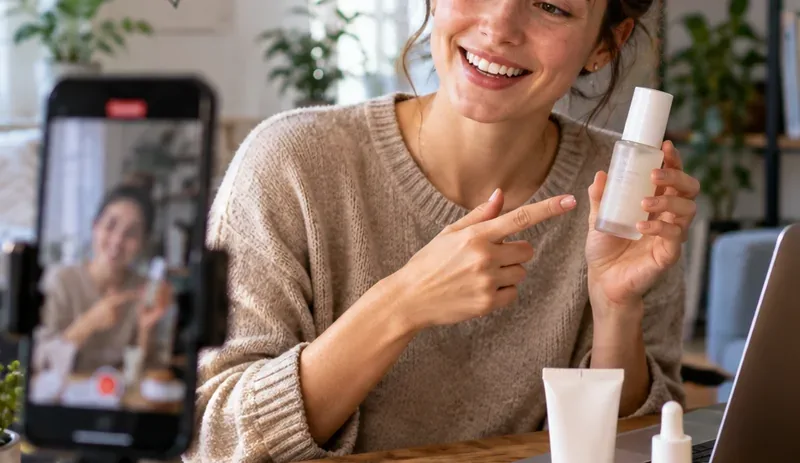
KOC-style content attacks the problem from the opposite direction. Instead of asking, “Who can expose this product to the most people?” it asks, “Whose experience would reduce uncertainty for the right buyer?” A niche skincare user who explains texture, routine fit, irritation concerns, and who should skip a product may be more useful at the decision stage than a famous lifestyle account that mentions it briefly.
Research is still emerging, so marketers should avoid turning the KOC label into a magic formula. A 2025 study in the International Journal of Internet Marketing and Advertising examined 350 young consumers in Vietnam and linked KOC characteristics such as expertise, trustworthiness, usage similarity, source dynamism, and cognitive effort with online customer engagement. Product–KOC fit also mattered. The study is useful evidence for the mechanism, but it does not prove that every small creator will outperform a larger influencer in every category. See the original 2025 KOC study published by Inderscience.
A KOC is best thought of as a consumer-first opinion source. The creator’s persuasive value comes primarily from product experience, relevance, similarity to the audience, and practical credibility. Follower count may be small or moderate, but there is no universal follower threshold that officially turns someone into a KOC.
| Dimension | Traditional influencer/KOL emphasis | KOC emphasis |
|---|---|---|
| Primary asset | Reach, personality, cultural visibility | Relatability, product experience, niche credibility |
| Typical content | Aspirational, entertainment-led, campaign-led | Review, demo, comparison, problem-solving, use case |
| Best fit | Awareness, launches, broad attention | Consideration, product discovery, conversion support |
| Compensation | Often negotiated flat fee | Samples, flat fees, affiliate commissions, revenue share, or combinations |
| Useful metrics | Reach, impressions, video views, brand lift | Qualified clicks, saves, comments, conversion rate, orders, CPA, revenue |
| Main risk | High cost or weak audience-product fit | Hidden incentives, weak quality control, fake “organic” reviews |
The categories can overlap. A successful KOC can become a large creator, and a large influencer can create highly credible product-review content. The useful distinction is not fame versus obscurity; it is what kind of trust is being purchased and what job the content is meant to do.
Social platforms are increasingly productizing the operational work that once made small-creator programs difficult. Brands no longer need to manage every creator relationship through spreadsheets, email, and manual coupon codes.
TikTok’s official TikTok One update from May 2026 describes Creator Marketplace as a system for creator discovery, collaboration, scaled campaign workflows, and unified reporting. It also introduced Creator AI Search to help advertisers find creators based on campaign fit and past partnership signals. That does not mean TikTok officially defines those creators as KOCs, but the infrastructure makes a distributed, niche-creator model much easier to run. See TikTok’s May 2026 TikTok One announcement.
YouTube has moved in a similar commerce direction. Its Shopping affiliate program lets eligible creators tag products and earn commissions, while merchants can track metrics such as clicks, orders, sales, and commission rates. The program is available in multiple markets, including the United States and Vietnam. See YouTube’s official Shopping affiliate overview and Google Merchant Center’s program documentation.
The structural change is important: creator marketing can now behave more like a measurable portfolio. A brand can test many relevant creators, attribute transactions, keep the winners, and stop spending on weak fits. That is the operating environment in which KOC strategies make the most sense.
Cost is part of the appeal, but treating KOCs as discount inventory misses the point. A creator with 8,000 followers who has never used the category and publishes generic sponsored clips is not automatically a strong KOC. Meanwhile, someone with a larger audience can function like a KOC if their authority comes from repeated hands-on product experience and a highly specific community.
What to do instead: rank creators by evidence of fit. Look for category depth, useful comments, repeated product use, clarity about pros and cons, audience similarity, and the ability to explain who a product is—and is not—for.
Authenticity is a perception created by consistent behavior, not a follower-count feature. Small accounts can copy scripts, overstate results, hide sponsorships, or recommend products they barely tested. Large creators can be transparent and rigorous.
What to do instead: review a creator’s last 20 to 30 relevant posts. Do they discuss limitations? Do they answer skeptical questions? Is every product “amazing,” or do they distinguish good fits from bad fits? Consistency is more informative than a single viral post.
This is one of the most dangerous misunderstandings. In the United States, the Federal Trade Commission says material connections between an endorser and a brand should be disclosed clearly and conspicuously. A material connection can include payment, free products, discounts, employment, or other benefits. The FTC also says disclosures should be hard to miss and placed with the endorsement itself. See the FTC’s disclosure guidance for social media endorsers.
미국 연방거래위원회(FTC)의 소비자 리뷰 및 추천 규칙이 2024년 10월 21일부터 시행되었습니다. 이 규칙은 특히 허위 또는 거짓 리뷰를 다루고, 특정 긍정적 또는 부정적 의견을 표현하는 리뷰를 조건으로 하는 보상이나 인센티브를 금지합니다. 브랜드는 콘텐츠 제작자에게 보상을 제공할 수 있지만, "솔직한 리뷰"를 "긍정적인 내용을 쓰지 않으면 보상을 받지 못한다"는 식으로 몰아가서는 안 됩니다. FTC의 공식 규칙 관련 질의응답을 참조하세요 .
플랫폼 규칙도 중요합니다. YouTube는 크리에이터가 스튜디오에서 브랜드 콘텐츠와 유료 프로모션을 명시하도록 요구하며, 2026년 9월에는 유료 파트너십 공개 제어 기능을 업데이트했습니다. YouTube의 브랜드 콘텐츠 정책을 참조하세요 .
가장 안전한 접근 방식은 점진적인 것입니다. 이미 확보한 증거를 바탕으로 시작하고, 경제성이 확보될 때만 운영상의 복잡성을 추가하는 것입니다.
이 방법이 가장 쉬운 이유는 누가 제품에 관심을 가질지 추측할 필요가 없기 때문입니다. 태그된 게시물, 리뷰 댓글, 지원 커뮤니티, 제휴 데이터, 고객이 직접 작성한 콘텐츠 등을 검색하여 이미 제품 지식을 갖춘 사람들을 찾아보세요.
청중 규모뿐만 아니라 실제로 그들이 하는 말을 바탕으로 후보 목록을 작성하세요. 유용한 1차 평가표에는 카테고리 관련성, 제품 경험, 대상 고객 적합성, 콘텐츠 명확성, 댓글 품질, 정보 공개 행태 및 일관성을 포함할 수 있습니다.
KOC 캠페인은 모든 참여자가 동일한 브랜드 문구를 반복할 때 신뢰도를 잃습니다. 열정을 유발하는 스크립트를 제공하기보다는 크리에이터들이 제품을 책임감 있게 평가하는 데 필요한 정보를 제공해야 합니다.
실제 사용 사례에 맞는 구조(맥락, 예시, 장점, 단점, 적합성, 결론)를 요구하세요. 긍정적인 결론을 요구할 필요는 없습니다.
크리에이터마다 각기 다른 경제적 방식에 반응합니다. 제품 제공은 제품이 진정으로 가치 있을 때 효과적일 수 있지만, 무료 제품이라도 법적 책임이 발생할 수 있으므로 공개 의무가 있을 수 있습니다. 고정 수수료는 제작 노력에 대한 보상입니다. 제휴 수수료는 판매량에 따라 지급됩니다. 하이브리드 모델은 보장된 제작 수수료와 성과 기반 수익 분배 방식을 결합합니다.
통제력과 규모 사이의 균형을 맞추는 것이 관건입니다. 고정 수수료 방식은 결과물을 보장하지만 초기 비용이 증가합니다. 순수 제휴 프로그램은 고정 비용을 낮추지만 브랜드 적합성보다는 전환율이 높은 제품을 우선시하는 크리에이터를 끌어들일 수 있습니다. 이러한 두 가지 방식을 결합한 하이브리드형 프로그램은 종종 유용한 절충안을 제공합니다.
캠페인 목표가 고려 또는 판매라면 조회수만으로는 완전한 평가가 될 수 없습니다. 추적 가능한 링크, 플랫폼 제휴 보고서, 적절한 경우 고유 코드, 랜딩 페이지 분석 등을 활용하세요. 전환율, 고객 확보 비용, 크리에이터당 수익, 콘텐츠 활용 판매 등 표준화된 비즈니스 지표를 기준으로 크리에이터들을 비교하십시오.
또한 정성적인 신호도 살펴보세요. 시청자들이 제품에 대한 구체적인 질문을 하고 있나요? 나중에 다시 보기 위해 게시물을 저장하고 있나요? 댓글에 제작자의 외모뿐 아니라 사용 사례, 크기, 호환성, 성분, 내구성 또는 가격에 대한 내용이 있나요? 이러한 신호들은 콘텐츠가 시청자들의 구매 결정에 도움이 되고 있음을 시사합니다.
성공적인 크리에이터를 찾았다고 해서 바로 새로운 크리에이터 목록으로 교체하지 마세요. 지속적인 성과 유지가 바로 성공의 비결입니다. 꾸준히 좋은 반응을 보이는 크리에이터들과 장기적인 관계를 구축하세요. 필요한 경우 사용 권한을 협상하고, 유료 홍보를 테스트하며, 성공적인 크리에이터에게 새로운 콘텐츠나 출시 버전을 먼저 제공하는 것도 좋은 방법입니다.
Meta의 크리에이터 마켓플레이스와 파트너십 광고는 크리에이터를 발굴하고, 자연스러운 협업을 진행한 후, 우수한 크리에이터 콘텐츠를 유료 광고로 확산시키는 혼합형 모델로의 업계 전반의 움직임을 보여줍니다. Meta의 공식 크리에이터 마켓플레이스 개요를 참조하세요 .
더 어려운 부분은 크리에이터 100명을 모집하는 것이 아닙니다. 100명의 크리에이터와 신뢰를 유지하는 것이 진정한 어려움입니다. 정보 공개, 금지된 주장, 증거 요건, 콘텐츠 권리, 승인 기준, 사기 방지 및 브랜드 안전에 대한 규칙을 정립해야 합니다.
전환율 최적화에 지나치게 집중하다 보면 모든 콘텐츠가 똑같은 광고처럼 들릴 수 있습니다. KOC 모델은 소비자의 관점이 신뢰할 만할 때만 효과를 발휘합니다.
KOC(핵심 커뮤니케이션)는 모든 목표에 적합한 도구는 아닙니다. 문화적 이슈를 일으키거나, 새로운 제품 카테고리를 소개하거나, 광범위한 고객층에 빠르게 도달하거나, 인지도가 높은 인물의 영향력을 활용하려는 경우에는 영향력이 큰 인플루언서, 유명인 또는 KOL(핵심 오피니언 리더)을 선택하는 것이 좋습니다. 반면, 구매 관련 질문에 답변하거나, 다양한 사용 사례를 제시하거나, 소셜 커머스를 지원하거나, 제품 관련 콘텐츠를 꾸준히 생성하는 것이 주요 목표라면 KOC를 활용하는 것이 효과적입니다.
성공적인 프로그램들은 대부분 이 두 가지를 모두 활용합니다. 규모가 큰 크리에이터는 수요를 창출할 수 있고, KOC 네트워크는 불확실성을 확신으로 바꾸는 데 도움을 줄 수 있습니다.
규모를 확장하기 전에 처음에 설정했던 목표 대비 자체 점검을 해보세요. 한 크리에이터가 입소문을 탔다고 해서 성공이라고 선언하지 마세요.
대부분의 질문에 대한 답이 '예'라면 점진적으로 확장하세요. 도달률은 높지만 전환율이 낮다면, 크리에이터를 추가하기 전에 제품과 크리에이터의 적합성을 다시 검토하세요. 전환율은 좋지만 운영이 혼란스럽다면, 규모를 확장하기 전에 크리에이터 관리 워크플로에 투자하세요. 크리에이터에게 정확히 무엇을 말해야 하는지 알려줘야만 콘텐츠가 효과를 발휘한다면, 진정한 KOC 프로그램이 아니라 분산형 광고를 구축한 것일 수 있습니다.
KOC(핵심 콘텐츠 크리에이터)를 이해하는 가장 유용한 방법은 "인플루언서 규모가 작을수록 좋다"는 것이 아닙니다. 현대 크리에이터 마케팅은 구매 여정에 더욱 집중하고 있다는 점을 이해하는 것이 중요합니다. 브랜드는 점점 더 틈새시장 크리에이터를 영입하고, 판매 실적을 추적하고, 성과를 비교하고, 검증된 콘텐츠를 확산할 수 있습니다. 따라서 제품 관련성과 소비자 신뢰도는 과거 크리에이터 마케팅이 단순히 도달 범위에만 집중했던 시절보다 훨씬 더 경제적으로 가치 있는 요소가 되었습니다.
KOC(핵심 고객)가 인플루언서를 대체하지는 않을 것이며, 용어 자체도 진화할 수 있습니다. 하지만 변치 않는 교훈은 간단합니다. 구매에 신뢰가 필요할 때, 적절한 대상에게 제품을 신뢰할 수 있게 설명할 수 있는 사람이 가장 많은 사람들에게 제품을 보여줄 수 있는 사람보다 더 가치 있을 수 있다는 것입니다.
서울·경기도의 2026년 10월 집 관리법을 확인하세요. 바닥난방·보일러 안전 점검, 창틀 패킹과 틈바람, 실내 건조·가습기 관리, 가을 미세먼지 환기 요령을 정리하고 세입자와 집주인의 확인 범위, 기후 평년값과 단기예보의 차이도 설명합니다.
2026년 10월 서울과 경기도에서 심기 좋은 채소·허브·꽃을 정리했습니다. 기상청 평년값과 9월 29일 현재 예보를 구분해 직파, 모종 정식, 실내 파종, 첫서리 대비와 주차별 할 일을 안내합니다.
팟캐스팅이 처음이신가요? 2026년 비디오, 콘텐츠 검색, 스크립트, AI, 분석, 수익 창출을 좌우하는 트렌드와 실용적인 출시 계획을 알아보세요.
진정성을 잃지 않고 고객 및 크리에이터 콘텐츠를 발굴, 허가, 브리핑, 게시 및 측정하는 실용적인 UGC 마스터클래스입니다.
커뮤니티 구축은 신뢰, 고객 유지, 피드백 및 지지를 강화할 수 있지만 모든 마케팅 채널을 대체할 수는 없습니다. 장단점을 비교하여 적합한 모델을 선택하세요.
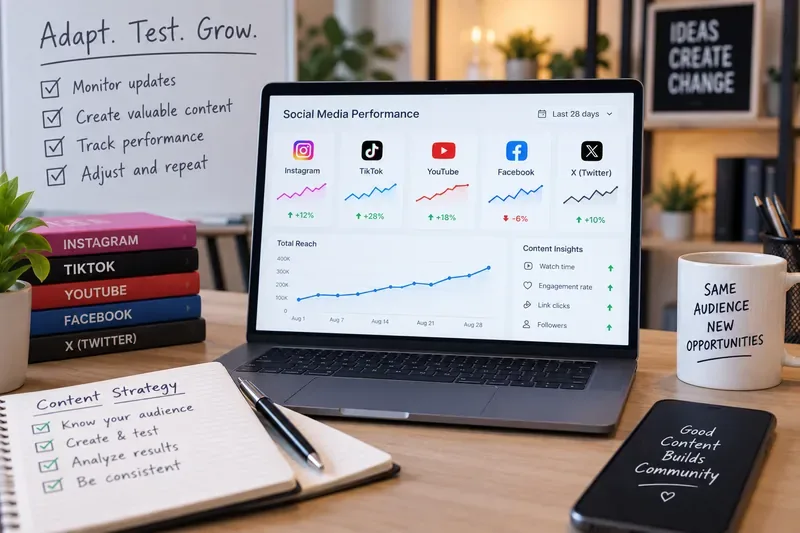
주요 소셜 플랫폼들이 2026년 순위 변동에 대해 실제로 확인한 내용은 무엇인지, 상황에 따라 달라지는 요소는 무엇인지, 그리고 근거 없는 소문에 현혹되지 않고 어떻게 변화에 적응해야 하는지 알아보세요.
증거, 실제적인 긴장감, 윤리적인 고객 사례, 그리고 실질적인 진위 검증을 활용하여 브랜드 스토리텔링을 신뢰할 수 있고, 인간적이며, 구체적으로 만드는 방법을 알아보세요.
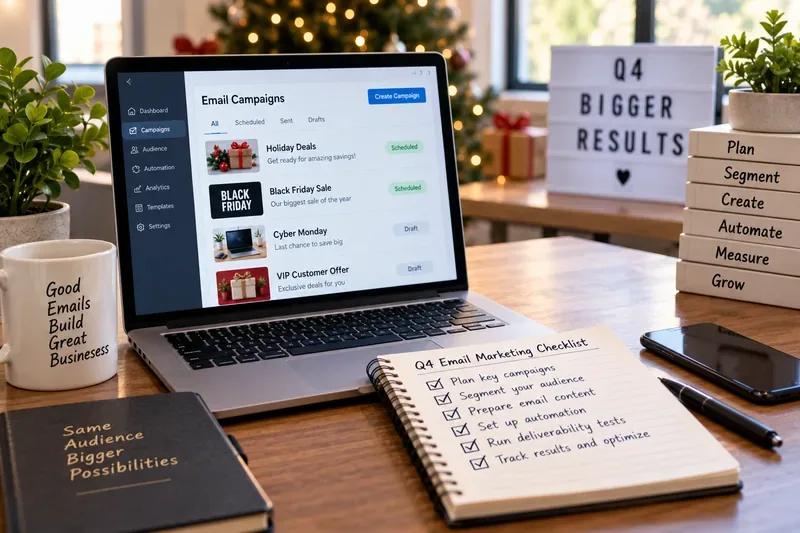
수익성 있는 연말연시 성장을 위해 도달률, 빈도, 할인, 자동화, 전달률 및 측정을 균형 있게 고려하여 더욱 스마트한 4분기 이메일 전략을 구축하세요.
틱톡, 릴스, 쇼츠 등 다양한 플랫폼에서 매력적인 요소, 형식, 진정성, 행동 유도 문구(CTA), 플랫폼 적합성, 테스트를 균형 있게 활용하여 전환율 높은 짧은 동영상을 제작하는 방법을 알아보세요.
Why are brands testing KOCs instead of relying only on influencers? Learn what KOCs are, why social commerce favors them, common myths, and how to run a measurable pilot.