Nextcloud 아이폰 사진 업로드 기능을 백그라운드에서 실행하세요
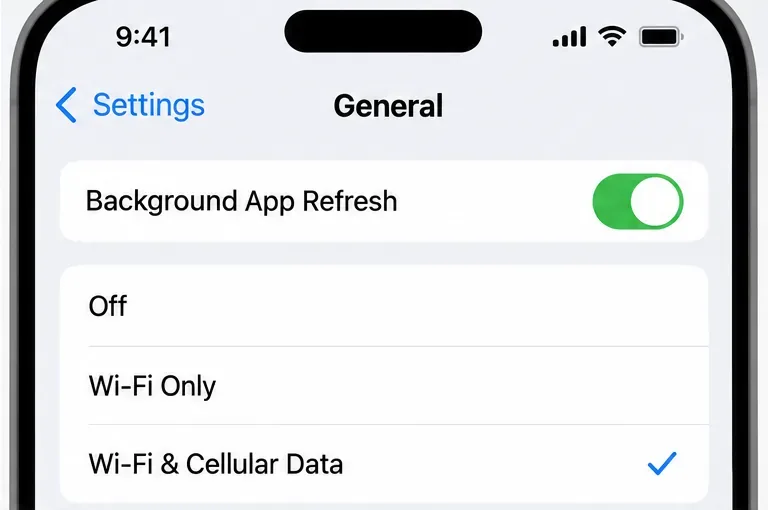
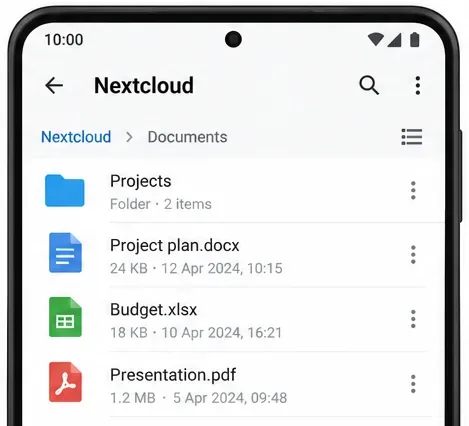
Nextcloud 업로드 설정, iOS 권한, 배터리 모드 및 iPhone 백그라운드 예약 기능의 제한 사항을 확인하여 백그라운드 사진 감지 기능을 복원하세요.
While the built-in camera on your Mac can be a handy tool for video conferencing or taking quick snapshots, there may be times when you want to disable it.
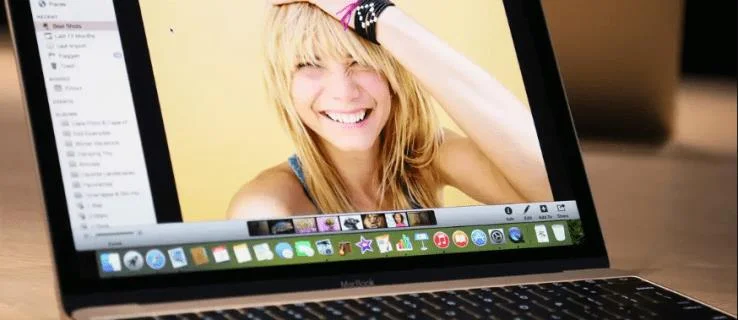
This article will show you how to disable the camera on your Mac to deny apps or intruders unauthorized access.
Disabling the Camera on a Mac
The iSight camera is a built-in webcam found on Apple’s line of MacBook laptops. Apple says the camera “brings photos and videos to life.” It can be used with many apps, including FaceTime, Skype, and Google Hangouts.
For professionals, the camera can be used for videoconferencing and online meetings. For everyday users, the camera can take pictures and videos of special moments, such as vacations or birthdays. It can also be used for video chatting with friends and family who live far away.
For all its positives, there are several reasons why you might want to disable it. For example, the camera can be a security risk, as it can be used to spy on users without their knowledge.
Additionally, the camera can be a drain on battery life, and it can also slow down the performance of a computer.
Finally, if you’re like some people, you may feel a bit uncomfortable at the thought that your camera is monitoring your activities, even if you’re not using it at a given moment.
Fortunately, disabling the camera on your Mac is relatively straightforward. Let’s see the tools you can use to do this.
System Preferences
System Preferences is a system panel included with the macOS operating system that provides a graphical interface to access and modify many of the macOS’s settings. These settings include the ability to change the appearance of the desktop, set up network and security options, and manage user accounts.
While many of these items can also be accessed and changed through other parts of the macOS, such as the Finder or Safari, System Preferences provides a central location for all settings.
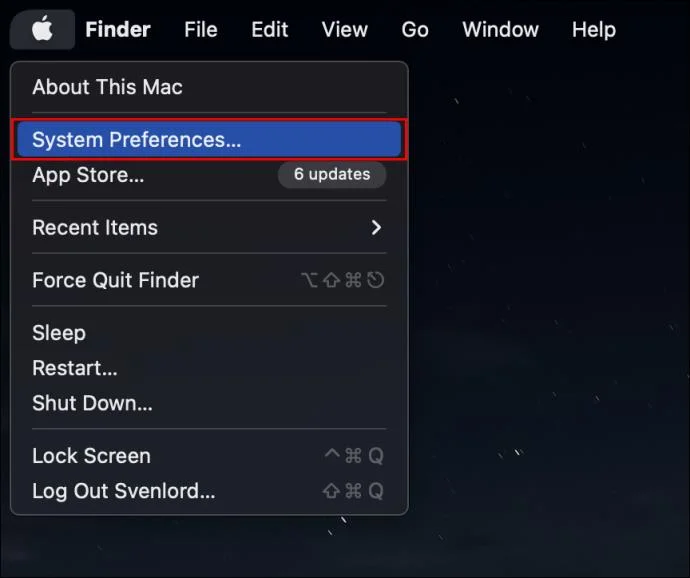
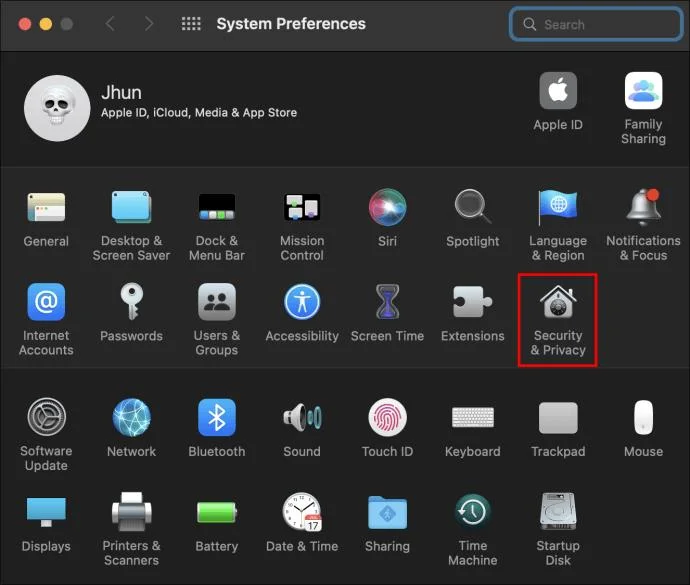
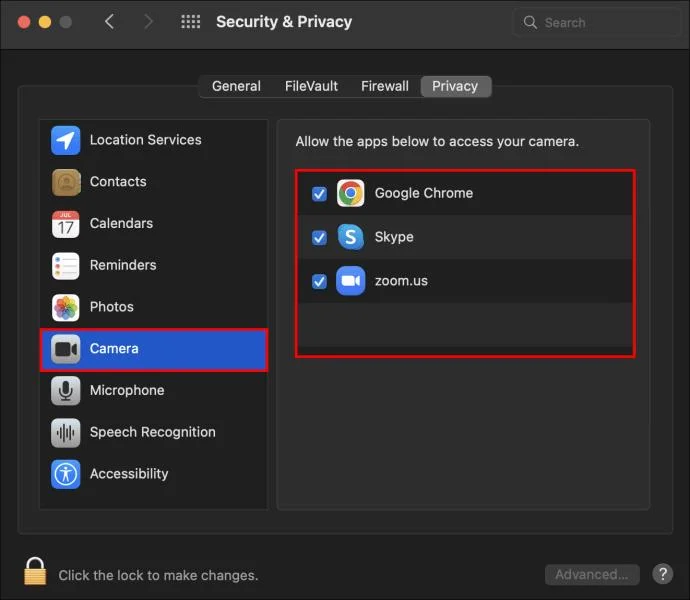
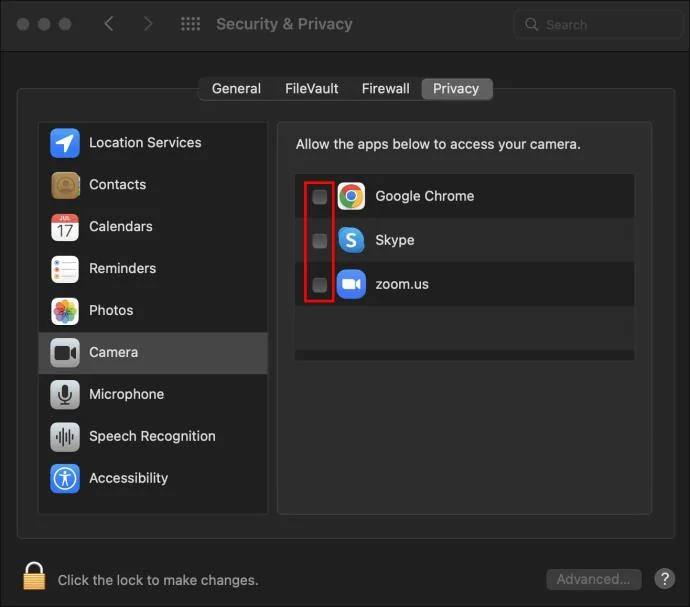
Here’s how you can disable the camera on your Mac using System Preferences:
Safari-Based Camera Controls
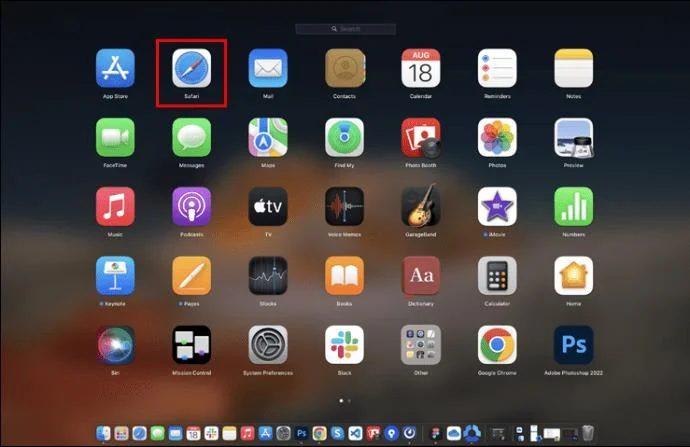
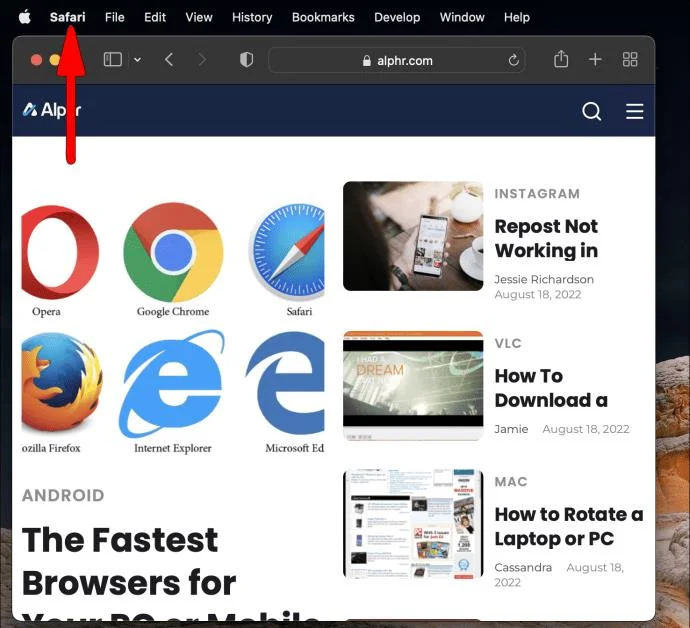
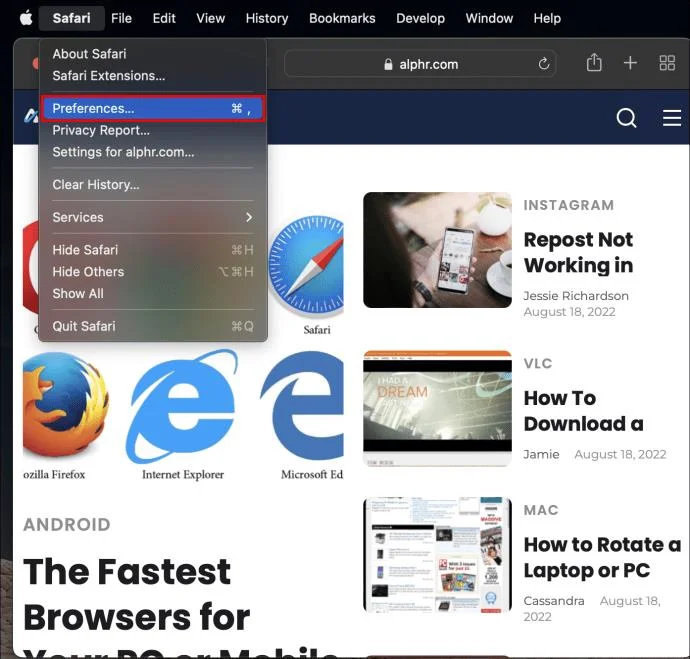
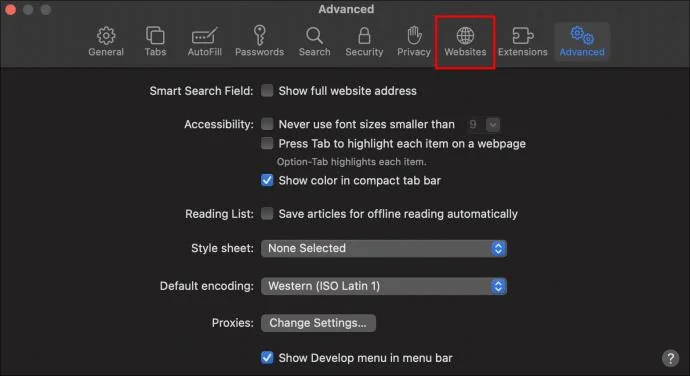
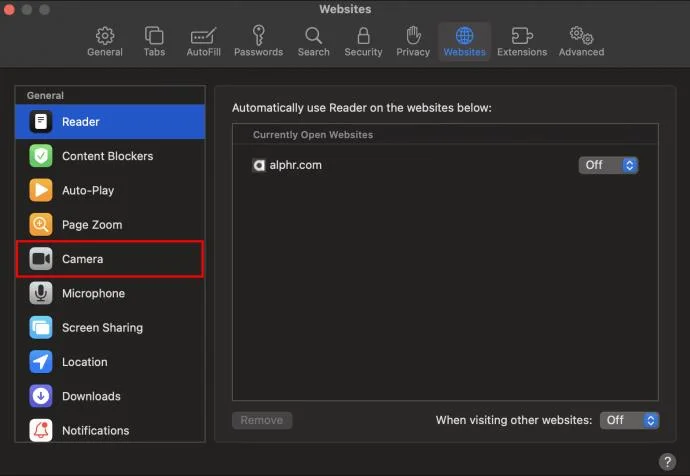
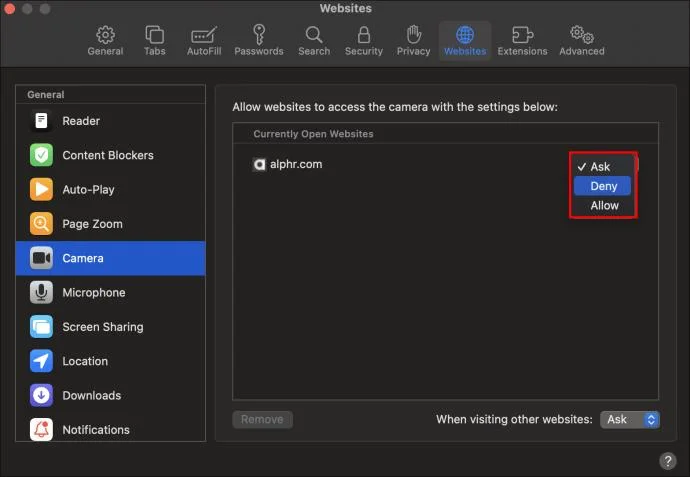
Safari, the web browser that comes pre-installed on all Mac computers, has advanced security and privacy settings that make it easy to control the websites that can access your camera. With Safari, you can allow or block access to your camera for all websites or specific ones.
Here’s how;
If you choose the Deny option, the corresponding website will not be able to access the Camera on your Mac. If you choose the Ask option, the website will prompt you to allow or deny access to your Camera whenever the camera is needed.
Parental Controls
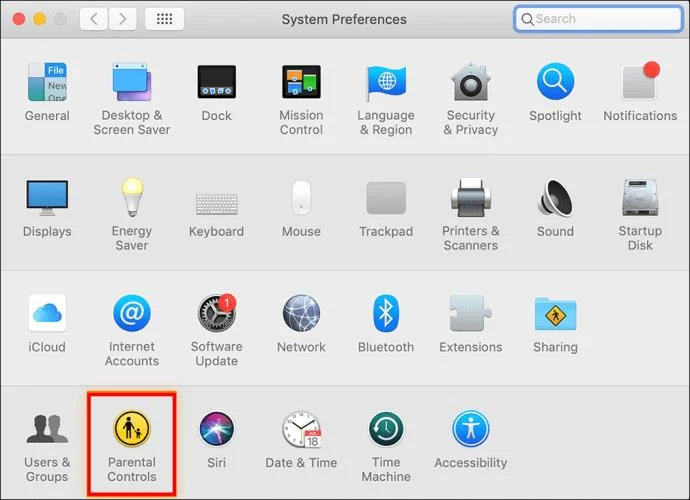
Mac computers come with a built-in set of Parental Controls that allow you to restrict access to certain websites, applications, and system features. Crucially, these controls enable you to disable camera access on some user accounts while allowing other accounts to use it without any restrictions.
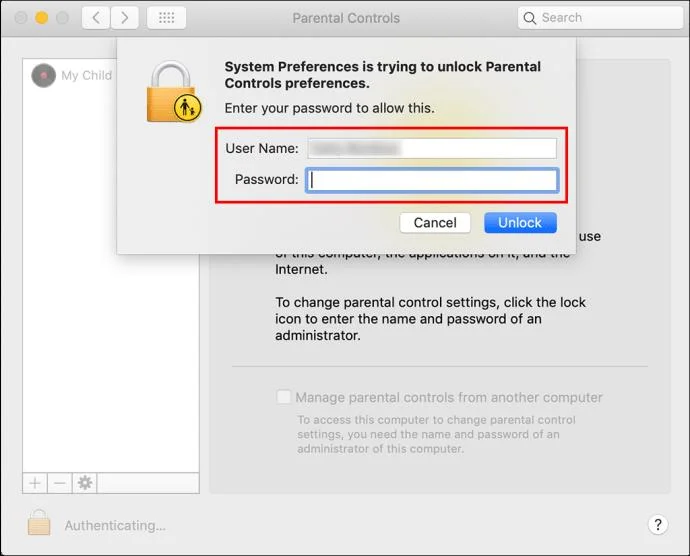
To restrict access to your camera using Parental controls:
This will stop all applications from using the camera whenever the user account selected is in use.
Third-Party Tools
If you don’t trust the local tools to offer reliable protection against access to your camera, you might want to try third-party programs. In this regard, the Camera Blocker app would be a great tool.
The app is very easy to use, and it provides a high level of security. Once installed, the app automatically blocks the camera as soon you turn on your Mac. You can also set the app to alert you if someone tries to access the camera.
Keep Unauthorized Access at Bay
Whether you’re concerned about privacy or just want to save battery life, turning off your MacBook’s built-in camera is straightforward. It will prevent apps from accessing your camera and make it impossible for someone to activate it remotely.
What’s your experience with Mac cameras? Do you find any of the tools discussed in this article useful? Let us know in the comments section below.
Nextcloud 업로드 설정, iOS 권한, 배터리 모드 및 iPhone 백그라운드 예약 기능의 제한 사항을 확인하여 백그라운드 사진 감지 기능을 복원하세요.
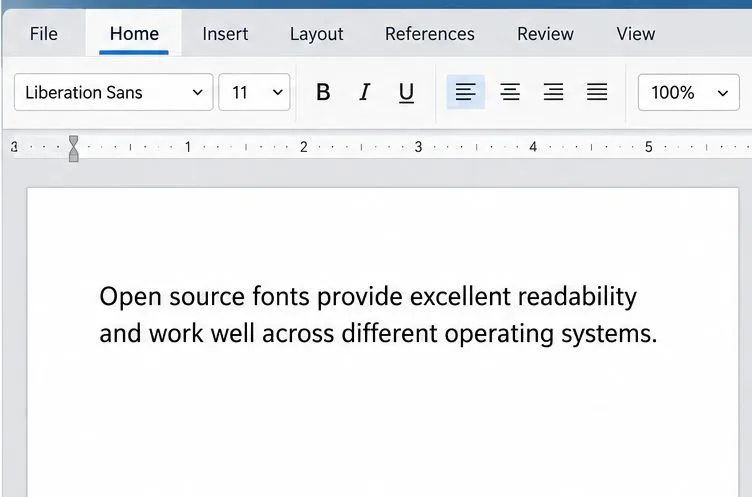
ONLYOFFICE의 글꼴 힌팅 모드를 비교하고, 확대/축소 및 Linux 글꼴 사용 가능 여부를 확인하고, 흐림 효과가 편집기에만 적용되는지 아니면 데스크톱 전체에 영향을 미치는지 검증하십시오.
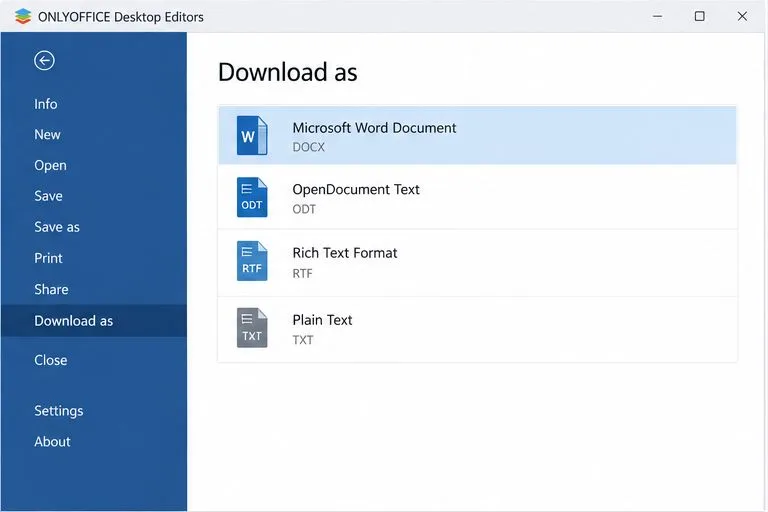
ONLYOFFICE 데스크톱 편집기에서 PDF를 로컬로 변환한 다음 DOCX 파일을 검토하여 레이아웃 변경 사항, 스캔한 페이지 및 수정이 필요한 텍스트를 확인하십시오.
ONLYOFFICE 데스크톱 편집기에 ownCloud 계정을 추가하고, 연결을 통해 얻을 수 있는 이점을 이해한 다음, 직접 액세스, 동기화 및 브라우저 편집 중에서 선택하세요.
올바른 포털 또는 WebDAV 주소를 사용하고, 휴대폰에서 HTTPS 연결 가능 여부를 테스트하고, 사설 네트워크, TLS 및 로그인 문제를 구분하십시오.
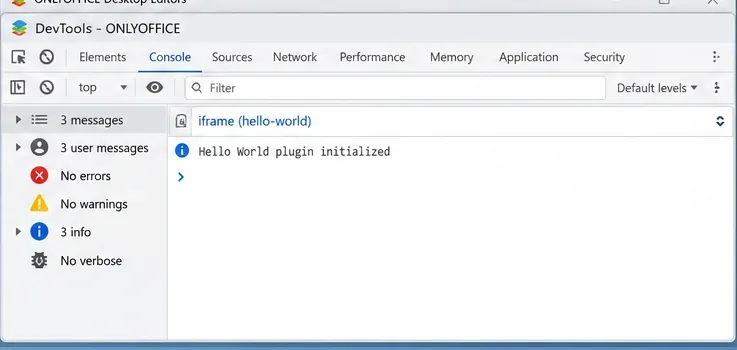
ONLYOFFICE 데스크톱 편집기용 사용자 지정 플러그인을 빌드하고 테스트한 다음, 해당 .plugin 아카이브를 설치하고 디버깅을 위해 개발자 도구를 활성화합니다.
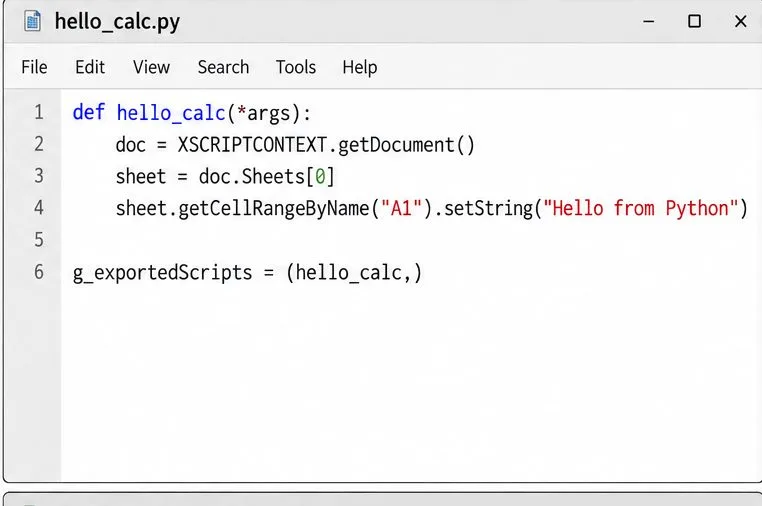
Calc에서 Python 함수를 사용할 수 있도록 만들고, 열려 있는 스프레드시트에서 해당 함수를 실행하고, LibreOffice와 시스템 Python을 혼동하지 않고 누락된 매크로 또는 가져오기 문제를 해결하세요.
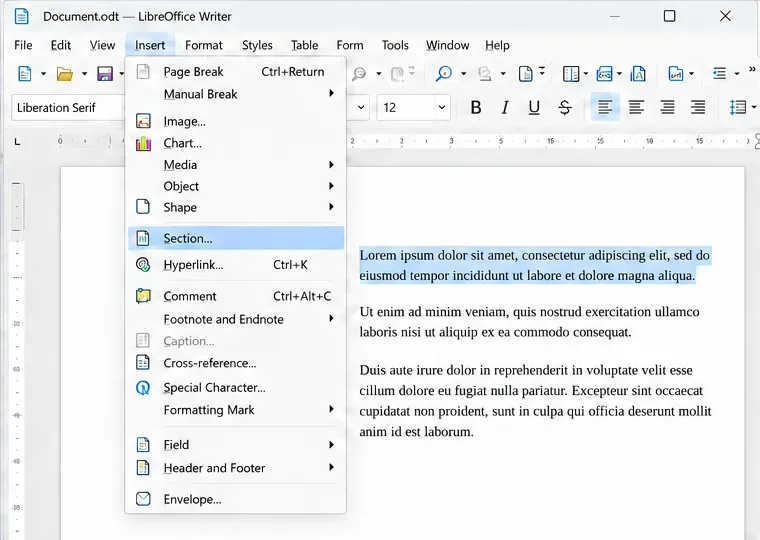
Writer 문서의 나머지 부분은 계속 사용할 수 있도록 유지하면서 특정 구절에 대한 일반적인 편집을 차단하는 방법과 파일 암호화가 더 나은 선택인 경우를 알아보세요.
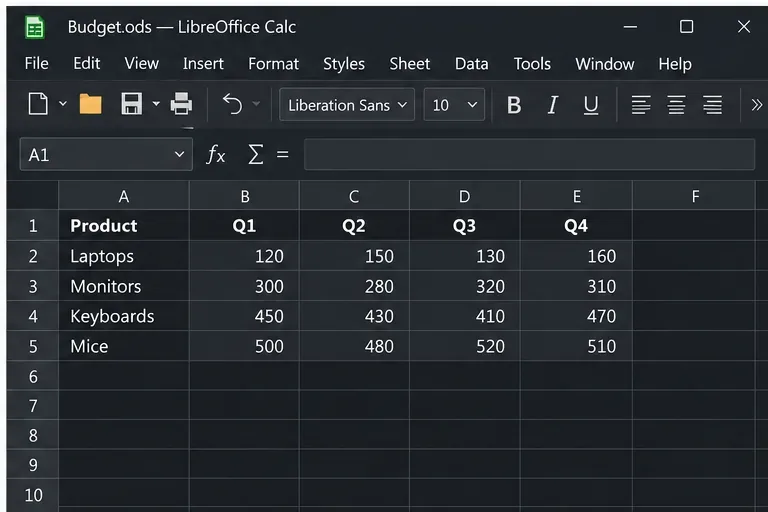
Calc에서 테마, 셀 글꼴 색상, 채우기 및 조건부 서식을 확인하여 잘 보이지 않는 스프레드시트 텍스트를 수정하세요.
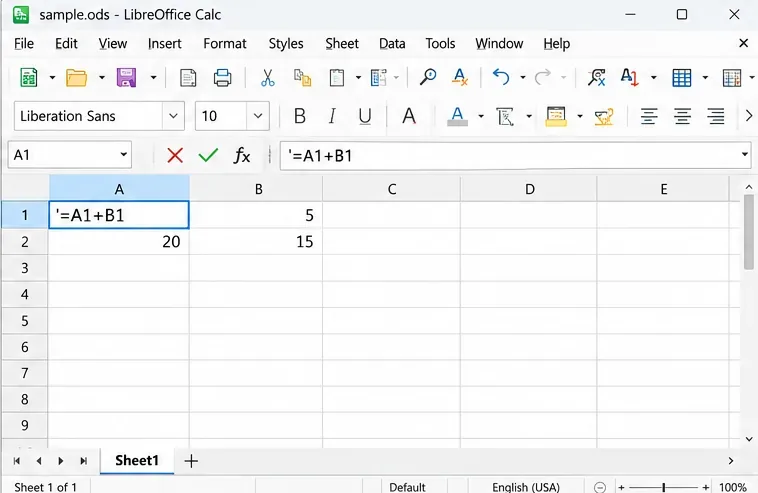
Calc에서 계산된 값 대신 수식 텍스트가 표시되는 이유를 알아보고, 표시 모드, 텍스트 서식 셀, 작은따옴표 또는 오래된 결과 문제를 해결하세요.